Uzbekistan · Jul 2024 – Dec 2025
Indorama Agro: accountability for displaced cotton workers
- Role
- Formats
- Institutions
The challenge
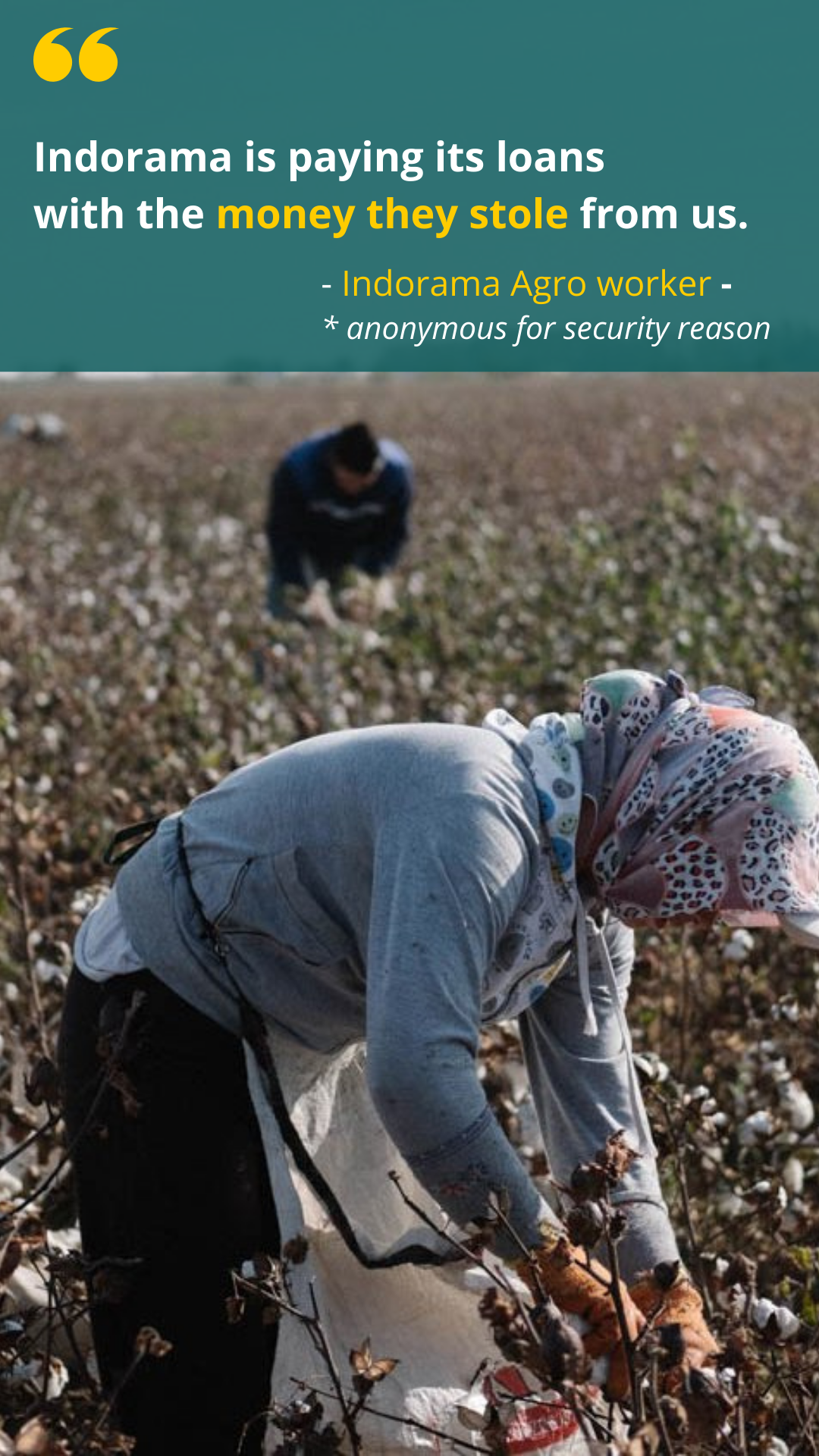
Indorama Agro, the EBRD’s flagship cotton-sector investment in Uzbekistan, faced credible accountability claims: thousands of seasonal workers displaced, only ninety eligible for restitution, retaliation cases against those who raised concerns. The Bank’s response framework risked allowing the borrower to “exit with impunity” by repaying loans early — closing the accountability process before remedy.
The approach
I built a year-long communications arc that paired technical IPAM investigation findings with on-the-record worker testimony. Each milestone in the institutional process — investigation opening, joint civil-society statement, AGM, Board decision, loan prepayment — became a public moment with its own social, blog, and stakeholder-letter package, designed to keep the case visible to the people who could move it.
Key outputs
- Six-part X thread breaking down the IPAM investigation (Jan 2025)
- Sole-authored blog series across January, April, and August 2025
- Joint civil-society statement coordinated with 90 organisations
- Personal letter handed to the EBRD President at the 2025 Annual Meeting in London
- Seven-part Bluesky investigation on the loan-prepayment loophole (Aug 2025)
- Follow-on Rustavi Azot escalation in Georgia, timed to the EBRD Board vote
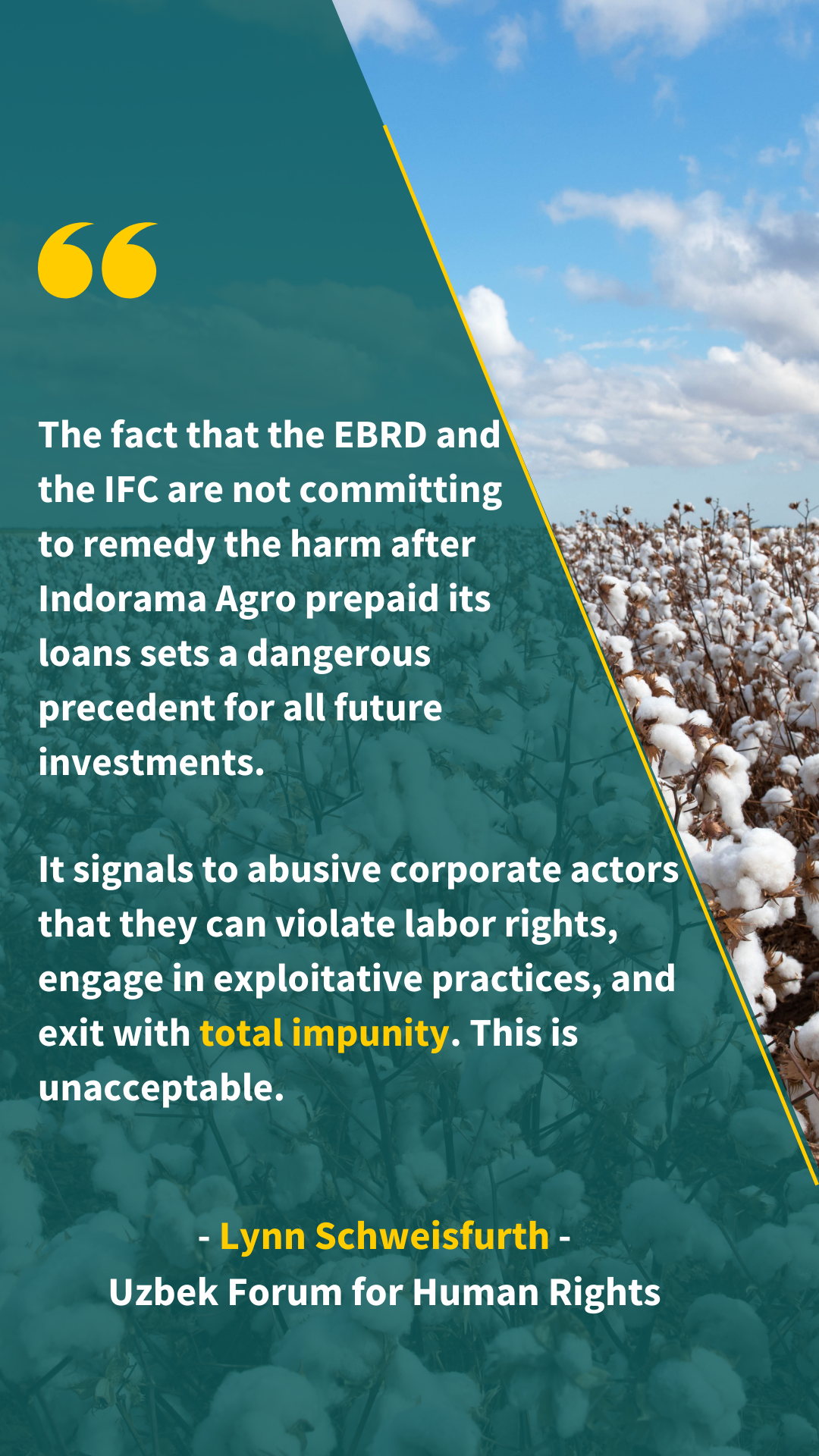
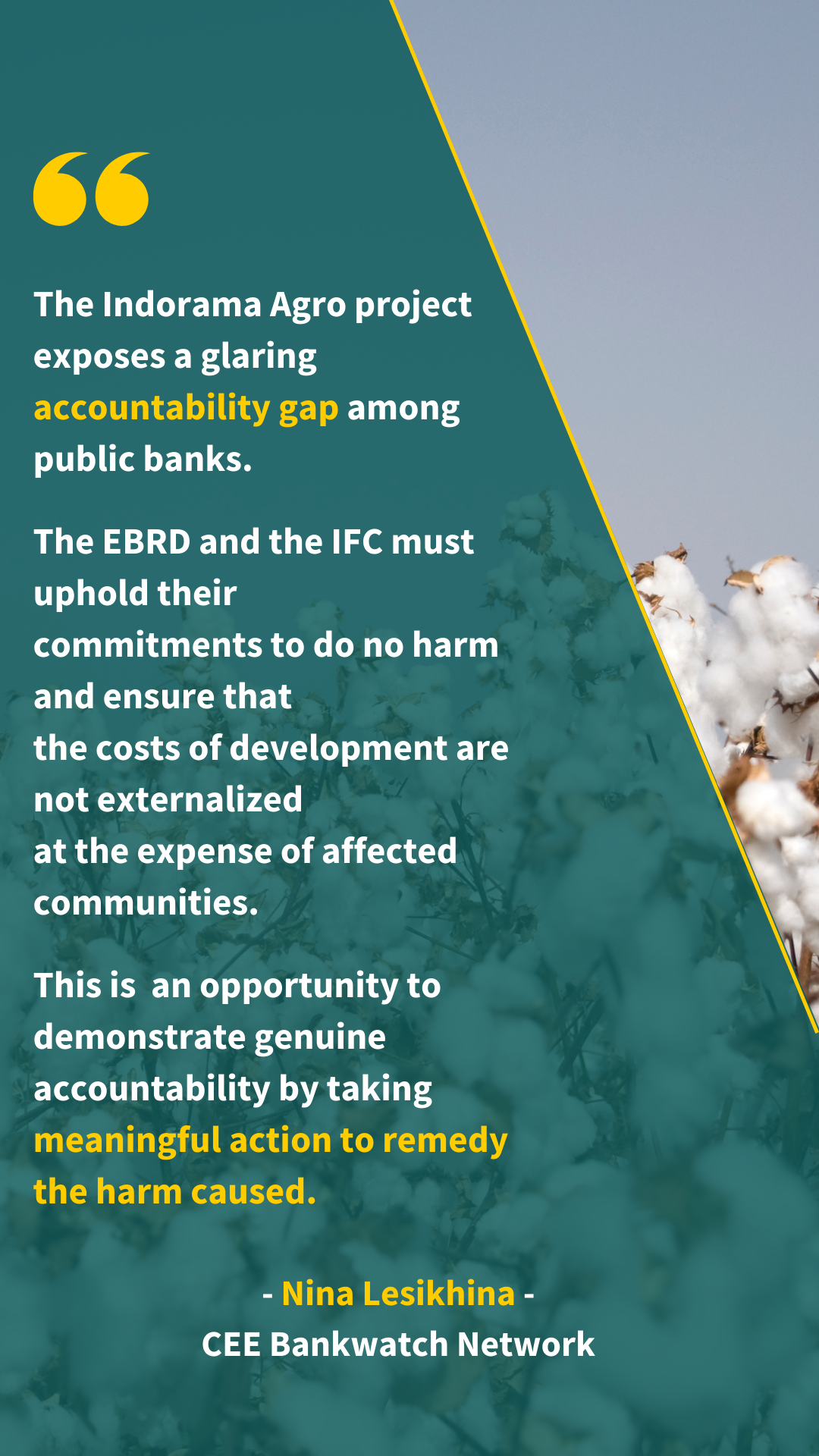
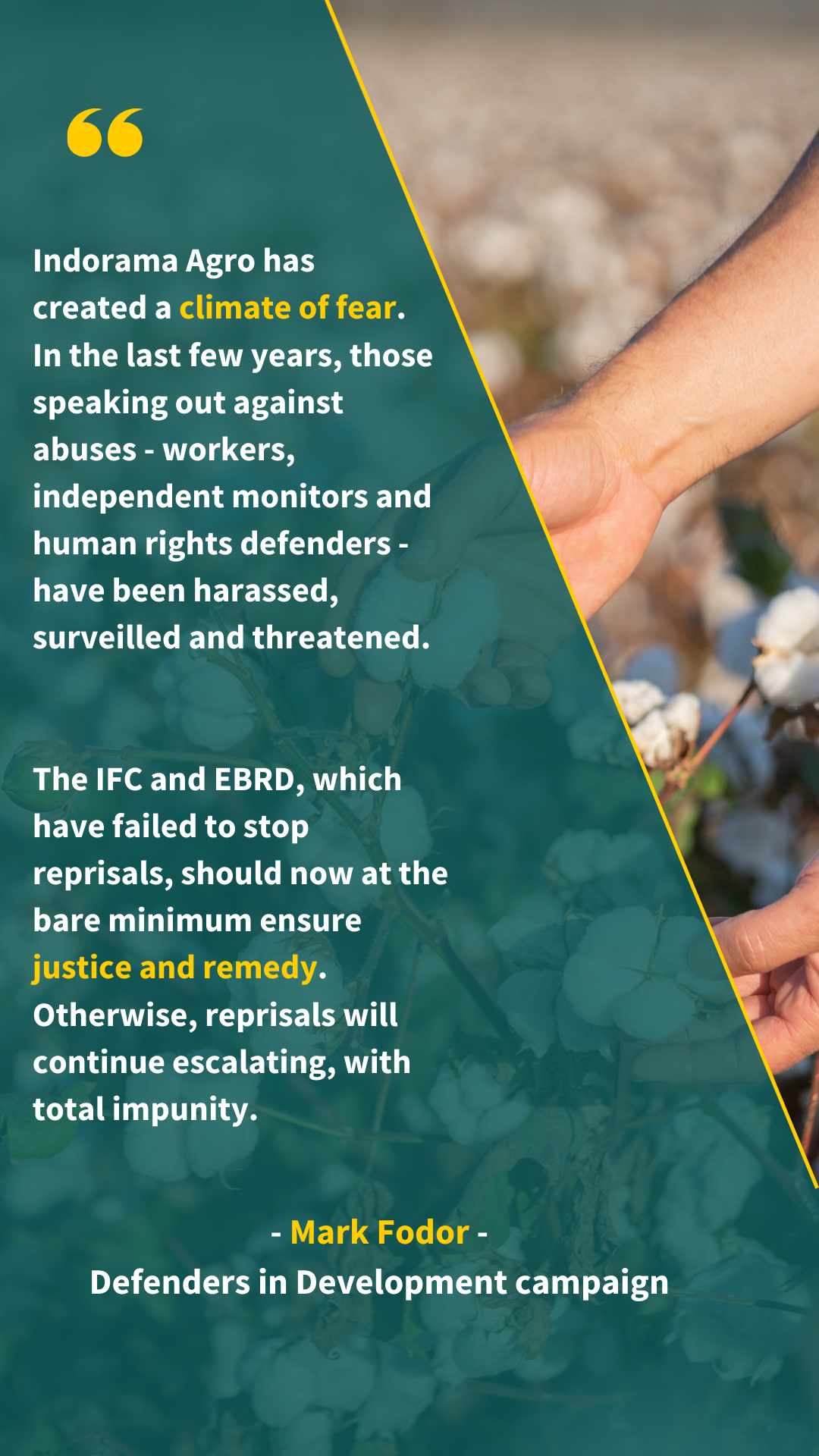
- Mobile-first video and social graphics distributed across LinkedIn, Bluesky, and X
Why this case study
It’s the clearest example of what I do best: take a technical institutional finding, build a year-long story arc around it, and keep accountability alive across multiple decision moments — without losing the ethical centre of the case, which is the workers themselves.